A Barton print upper can be specified correctly and still disappoint if the bulk lot does not match the colour you approved. Shade is one of the first things a footwear team notices on a cutting table, and one of the hardest to argue about later if the master, the light and the lot number were never written down. This guide is for safety shoe, work boot and industrial footwear teams who need a practical way to approve colour on Barton print upper leather and then hold later lots to that approval.
It is a companion to the written specification, not a replacement for it. Use how to specify Barton print leather for safety shoe uppers for the purchase fields, and sampling Barton print leather for safety footwear brands for the sample rounds that should produce the colour master. Incoming checks after delivery are covered in the inspection and testing guide.
What you are actually approving
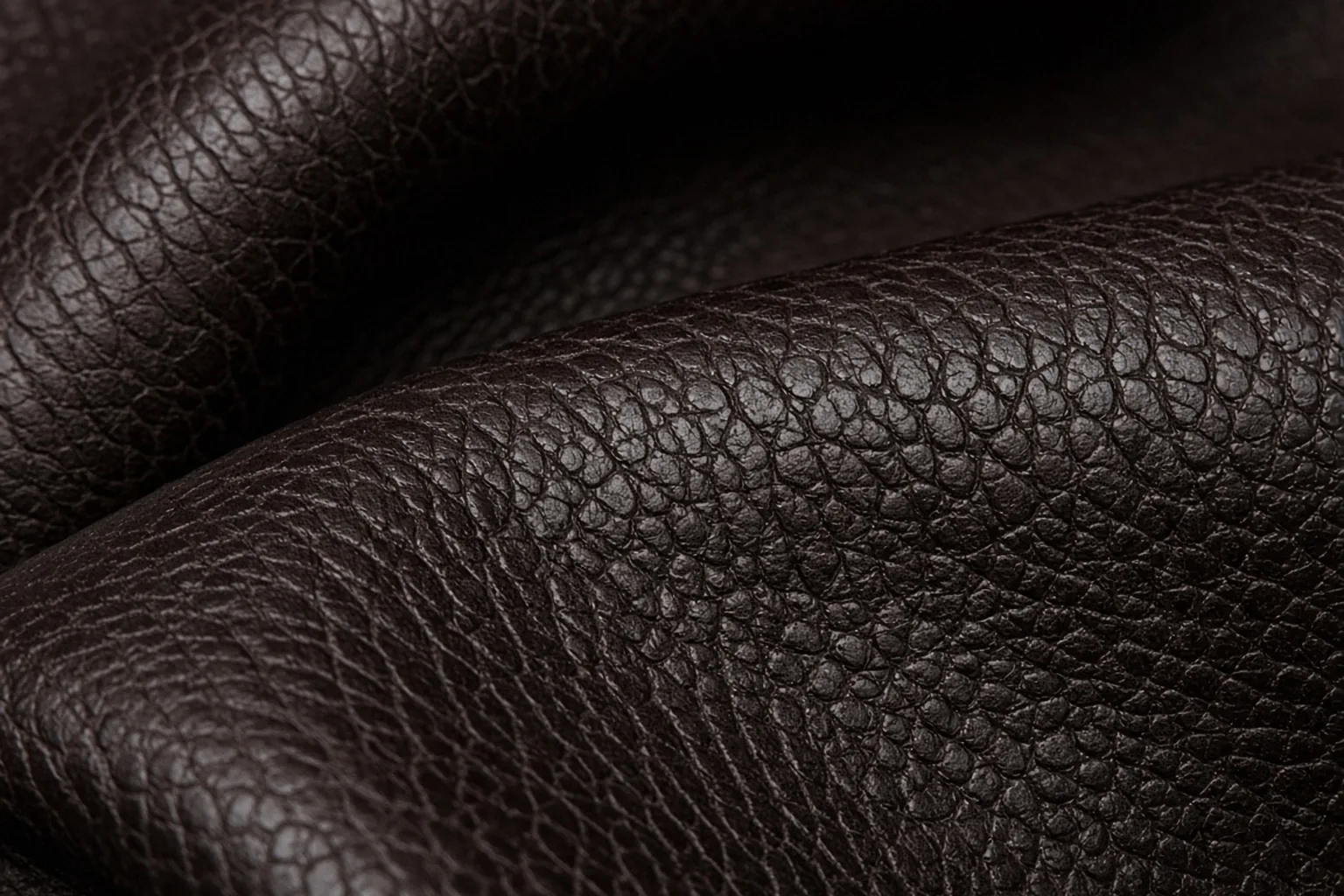
Barton print is buffalo leather with a printed and embossed decorative grain, usually under a pigmented finish. Colour on this type of leather is a combination of the ground shade, the print itself and the finish on top. A small hand swatch can mislead you: the pattern repeat, the way the finish catches the light and any slight pull in the hide only show on a cutting-sized panel.
Urban Tuck supplies Barton print as finished leather by the square foot from Kanpur, for safety shoe, work boot and industrial footwear uppers — not as finished footwear, and not for belt programmes — with a published minimum of 5,000 sq ft per colour and print run. Product detail is on the Barton print leather page and the leather for safety shoes page.
Set the master, the light and the words together
Colour approval only holds if three things are agreed at the same time:
- A physical master panel, labelled with the colour and print or emboss codes, the date and the person who signed it.
- The light in which that panel will be judged later — a named light booth or a stated combination of daylight and shop lighting, not a phone photograph alone.
- The same colour words and codes that will appear on the purchase order and on later lot tickets.
Keep one sealed master with the brand and one with the supplier. Photograph the approved panel under the agreed light as a record, but treat the physical master as the reference, not the photo. If the last, toe package or finishing process is still changing, finish those sample rounds before you freeze the colour for bulk.
A simple shade-approval sequence
| Stage | What to compare | Decision to record |
|---|---|---|
| Hand chips or small swatches | Shortlist only, under the agreed light | Which colour / print combinations are worth cutting into panels |
| Cutting-sized panels | Ground shade, print depth, finish sheen and any variation across the panel | The panel that will become the signed colour master |
| First bulk lot | Several hides or sides against the sealed master, same light, same viewing angle | Accept, hold for a cutting trial, or reject and re-cut the lot |
| Later lots | The new lot against the original master, not against the previous invoice lot | Whether shade has drifted far enough to stop cutting |
Always compare a new lot with the original signed master. If you only compare each shipment with the one before it, a slow drift can travel a long way before anyone notices. If you are still choosing between Barton print and a more open surface, use the Barton print vs nubuck vs full-grain comparison before you freeze the colour.
What to write on the ticket and in the purchase file
- End use: safety shoe upper, work boot upper or industrial footwear upper.
- Leather: buffalo Barton print, with the print or emboss reference.
- Colour name and code, exactly as on the master label.
- The light used for approval.
- Supplier lot or ticket number, date and the name of the person who signed.
- Any agreed tolerance in plain language (for example, no visible difference against the master under the agreed light), rather than a vague “close to sample”.
Those notes belong in the purchase file next to the master, not only in a message thread. They are also the wording you will need if a later lot has to be discussed.
When a bulk lot does not match
If a delivery looks off, stop and compare it with the sealed master under the agreed light, with more than one hide or side on the table. Check whether the difference is the ground shade, the print depth, the finish sheen or a mix of the three. Then decide, in writing, whether the lot can be used after a small cutting trial, whether it can be isolated for a less visible component, or whether it should be held back.
Do not start a full clicker run while that decision is still informal. A colour that looks acceptable on one hide can be obvious once left and right quarters from different sides are lasted on the same pair.
How this fits the rest of the programme
Colour approval sits between sampling and incoming inspection. The sample plan creates the master; the purchase specification names the colour and print; incoming inspection checks that each lot still matches. Broader material context is in the practical guide to Barton print leather. Export and delivery terms should travel with the colour file — see leather export from India.
To discuss a colour brief or request panels, use the contact page and include your end use, colour references and whether you already have a signed master.
Frequently asked questions
Can I approve Barton print colour from a photograph?
A photograph is a useful record, but it is not enough to approve shade. Phones and screens change colour. Sign a physical panel under an agreed light and keep that panel as the master.
Should I compare a new lot with the previous shipment?
Use the original signed master, not only the last lot you received. Lot-to-lot comparison can hide a gradual drift.
Does a colour approval mean the finished safety shoe will pass its tests?
No. Colour approval only confirms that the leather matches the agreed shade and print under the stated light. Finished footwear still has to be evaluated by your own test house against the standards that apply to the boot.
What quantity applies if I order a colour from Urban Tuck?
The published minimum is 5,000 sq ft per colour and print run. Confirm that figure for your colour and emboss before you plan cutting.