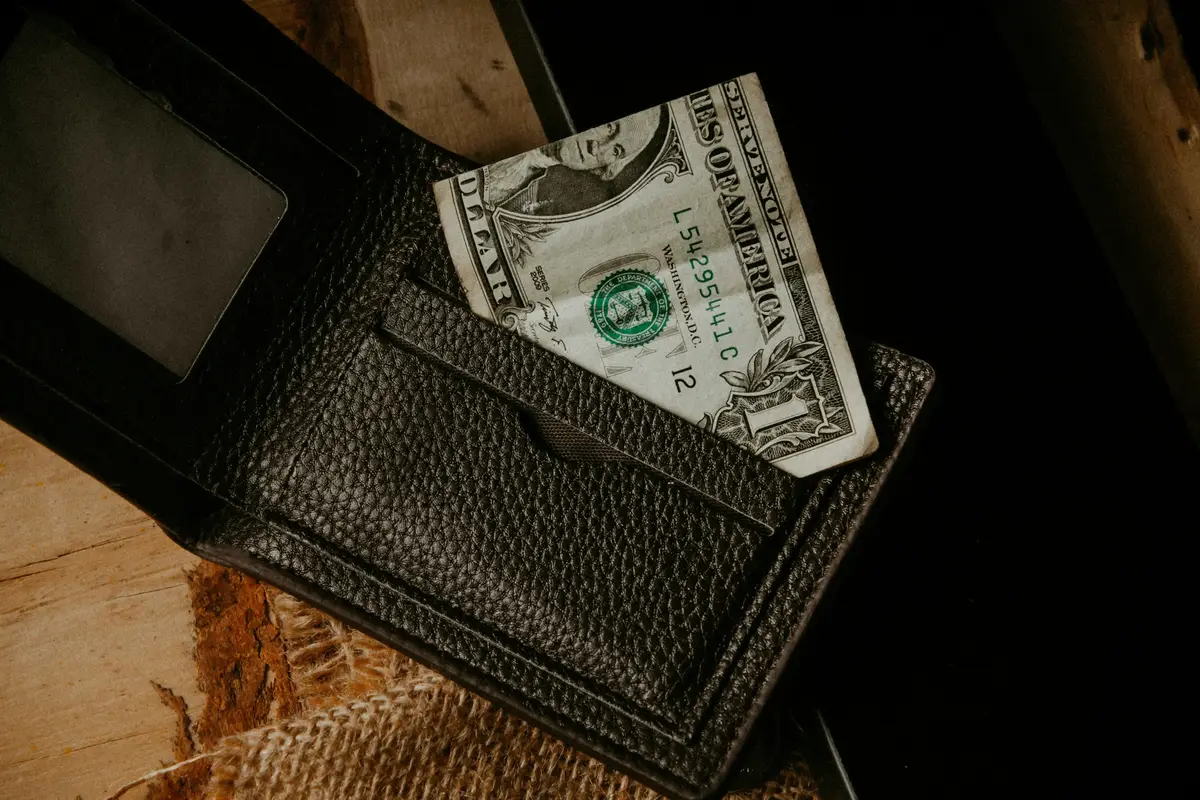
A leather wallet is a small article, but it has a lot of places to go wrong: card-slot count, edge finish, lining, logo position and how the piece is packed for retail. Those details decide whether a wholesale or private-label order can be reordered against the sample you approved. This guide is for retailers, gift buyers and private-label brands who want to specify a buffalo leather wallet clearly before they ask for a quotation.
Urban Tuck is a Kanpur manufacturer of finished buffalo-leather goods, founded in 2023. The published wallet line on the site is the Classic Bifold Wallet: a compact eight-card, dual-currency folio in vegetable-tanned buffalo leather, with hand-burnished edges and foil stamp or blind deboss branding. The published minimum is 200 pieces per colour, with a lead time of 25–40 days after sample approval.
Start with the end use, then write the layout
Say whether the wallet is for a retail accessories wall, a gift set or a private-label programme, and whether it must sit next to a belt or key fob in the same leather story. Then lock the layout in writing, not only in a photograph:
- Format: bifold, and any other format only if you have agreed it as a custom programme.
- Card count and whether slots are on one side or both.
- Currency or note compartments (the Classic Bifold line has two).
- Any coin pocket, ID window or extra slip — only if you actually want them, because each one changes the pattern.
- Open and closed size, if you have a pack or gift-box size that the wallet must fit.
If you are also running a belt programme, keep the two tech packs separate. A belt strap and a wallet folio do not share a cutting pattern, a minimum order or a lead time. For grade language that applies to both, use the leather grading guide.
What is published on Urban Tuck’s bifold line
| Item | Published specification |
|---|---|
| Leather | Vegetable-tanned buffalo leather |
| Layout | 8 card slots and dual currency compartments |
| Finish | Hand-burnished edges |
| Branding | Foil stamp or blind deboss |
| Minimum order | 200 pieces per colour |
| Custom options | Card count, lining, gift box, logo stamp |
| Lead time | 25–40 days after sample approval |
| Origin | Kanpur, Uttar Pradesh, India |
Use these lines as the starting brief. If you need a different card count, lining or box, say so in the first enquiry rather than after a sample has already been made to the standard layout.
Leather, colour and edges
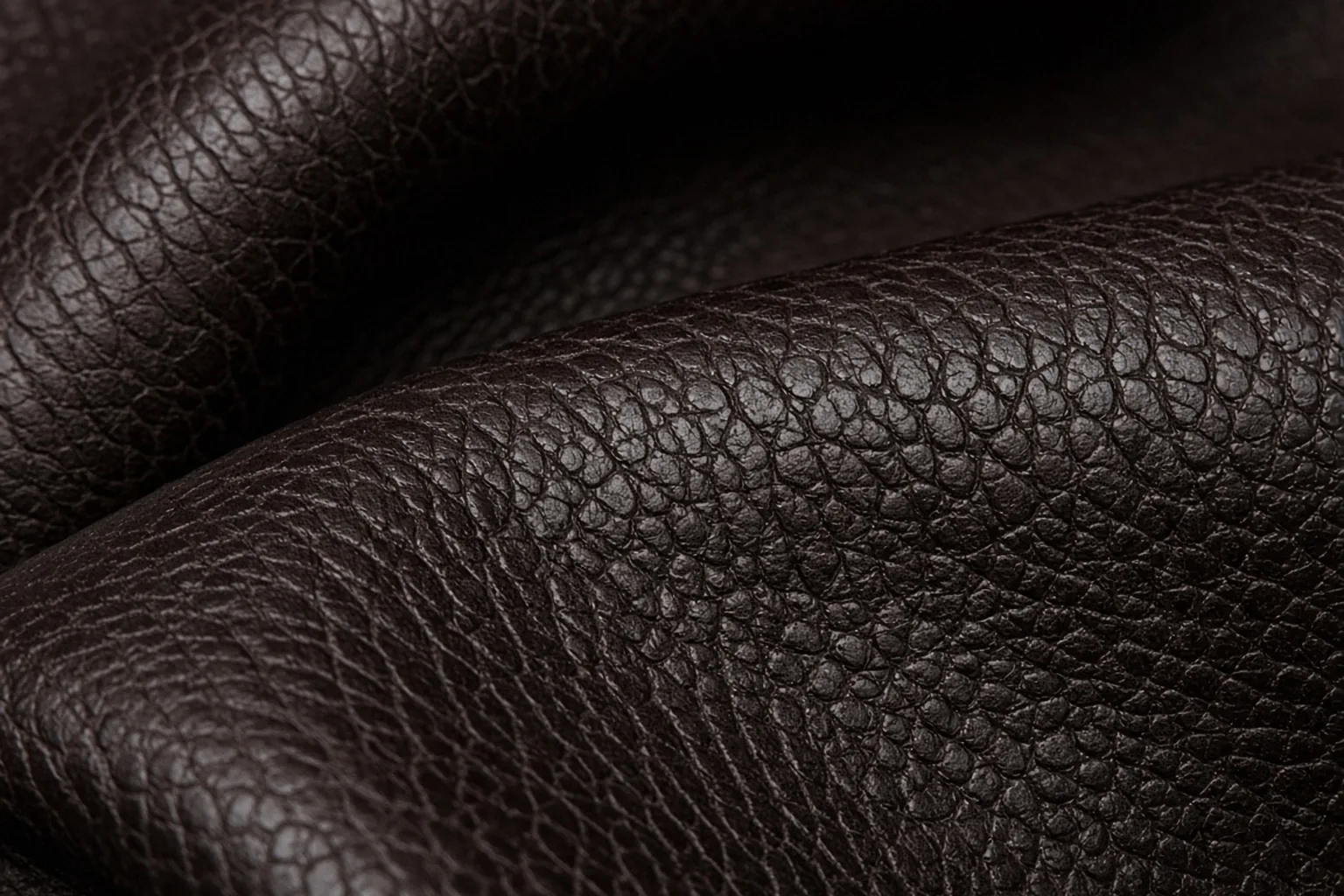
Vegetable-tanned buffalo leather can take a burnished edge and a clean logo impression, and it will change colour a little with wear. That is often desirable on a wallet, but only if you approve a colour master and accept that a vegetable-tanned surface is not as sealed as a heavily pigmented one. Name the colour with a physical reference, not only a word such as “cognac”.
Edges on a small folio are always on show. Agree whether they are burnished, painted or otherwise finished, and check the corners of the sample, not only the long sides. If the wallet will be sold next to a belt, you can aim for a related colour family, but do not assume the same leather and edge finish can be copied across without a separate sample.
Branding, packing and the first sample rounds
Foil stamping is more visible; blind deboss is quieter and often more durable on a piece that lives in a pocket. Approve the logo size and position on the same sample you will use as the bulk master — a mark that looks right on a flat hide can sit too close to a fold once the folio is assembled. Gift boxes, lining and any hang tag should be part of that sample if they are part of the offer.
A short sampling sequence works well:
- Leather and colour masters, with the edge finish you intend to use.
- A complete prototype in the agreed layout, including lining and branding.
- A signed pre-production sample, kept by both sides, before the 200-piece run is cut.
For a wider view of how logo, packing and sample rounds are briefed on leather goods, the belt-focused guide to sourcing private label leather belts from India uses the same discipline, even though the construction and minimums are different.
Quantity, timetable and the first bulk lot
The published minimum for the Classic Bifold Wallet is 200 pieces per colour, with 25–40 days after sample approval. When the first cartons arrive, compare them with the sealed sample: leather and colour, slot count, stitching or edge finish, logo position and packing. Measure a few pieces against any size you wrote down, and hold back a small reference set from the first lot.
Export and delivery terms should travel with the wallet specification. Routing overviews are on the leather export from India pages. If the programme also includes belts, see the Classic Bridle Leather Belt and the Executive Dress Black Belt for those constructions; their minimum is 100 pieces per colour and size run, which is not the wallet minimum.
Send the layout, leather, colour, branding, quantity and destination in one brief via the contact page. Other finished goods in the range are listed on the product pages.
Frequently asked questions
What is the minimum order for Urban Tuck’s bifold wallet?
The published minimum is 200 pieces per colour, with a lead time of 25–40 days after sample approval. A change to card count, lining or packing can affect the sample timetable, so include those extras in the first enquiry.
Can I use the same leather as my belt programme?
You can aim for a related colour family, but a belt strap and a wallet folio should still have their own samples. Leather type, edge finish, minimum order and lead time are specified separately on each product page.
Which logo method is better on a vegetable-tanned wallet?
Blind deboss is quiet and durable. Foil stamping is more visible, provided it resists rub on a pocket article. Approve the chosen method on a complete prototype, not only on a flat swatch.
Where should I send a wallet enquiry?
Use the contact page and include end use, layout, colour references, branding, quantity and destination so the reply can match the brief.