Small accessory, real upside. A belt takes up very little rack or wall space, yet it is one of the few accessories a shopper can add to almost any outfit purchase. For retailers, that makes full-grain leather belts a steady, low-risk line. Below are seven practical reasons belts earn their place in an assortment, followed by what to check before you place a wholesale order and how buying direct from a manufacturer changes the numbers.
| # | Profit driver | Why it matters to a retailer |
|---|---|---|
| 1 | Year-round demand | Belts sell in every season, which smooths cash flow between apparel peaks. |
| 2 | Easy add-on sale | Simple sizing and a clear price point make belts a natural checkout or fitting-room add-on. |
| 3 | Higher basket value | A premium belt lifts the value of a trouser, jeans or suit sale without extra selling effort. |
| 4 | Full-grain durability | Strong leather and solid hardware mean fewer returns and better reviews. |
| 5 | Repeat colour purchases | Customers who like one belt often come back for a second colour or width. |
| 6 | Simple merchandising | A tight range of colours and widths looks complete without crowding fixtures. |
| 7 | Private-label potential | A debossed or foil-stamped logo turns a belt into a house-brand product. |
1. Year-round demand keeps stock moving
Unlike outerwear or swimwear, belts don't have a short selling window. Workwear, denim, chinos and formal trousers all need one, so a core range of black and brown belts keeps selling through the year. That makes belts a good "always in stock" line: reorder the sizes that move, and you rarely sit on dead seasonal inventory.
2. Belts are an easy add-on at the till
Shoppers rarely walk in planning to buy a belt, but many leave with one when it is displayed next to trousers, denim or the fitting room. Clear width labels, a simple size chart and a short line about the leather ("full-grain, made in Kanpur") make the decision quick. Keep a small rail or stand near the counter for your two best-selling colours.
3. A better belt raises the value of the whole sale
When a customer is already buying a suit or a pair of jeans, a well-made belt is an easy upgrade. Because the belt is priced well below the main item, it adds to the basket without much hesitation. Staff can recommend a belt that matches the shoe colour, which also helps sell the look as a whole.
4. Full-grain leather means fewer returns
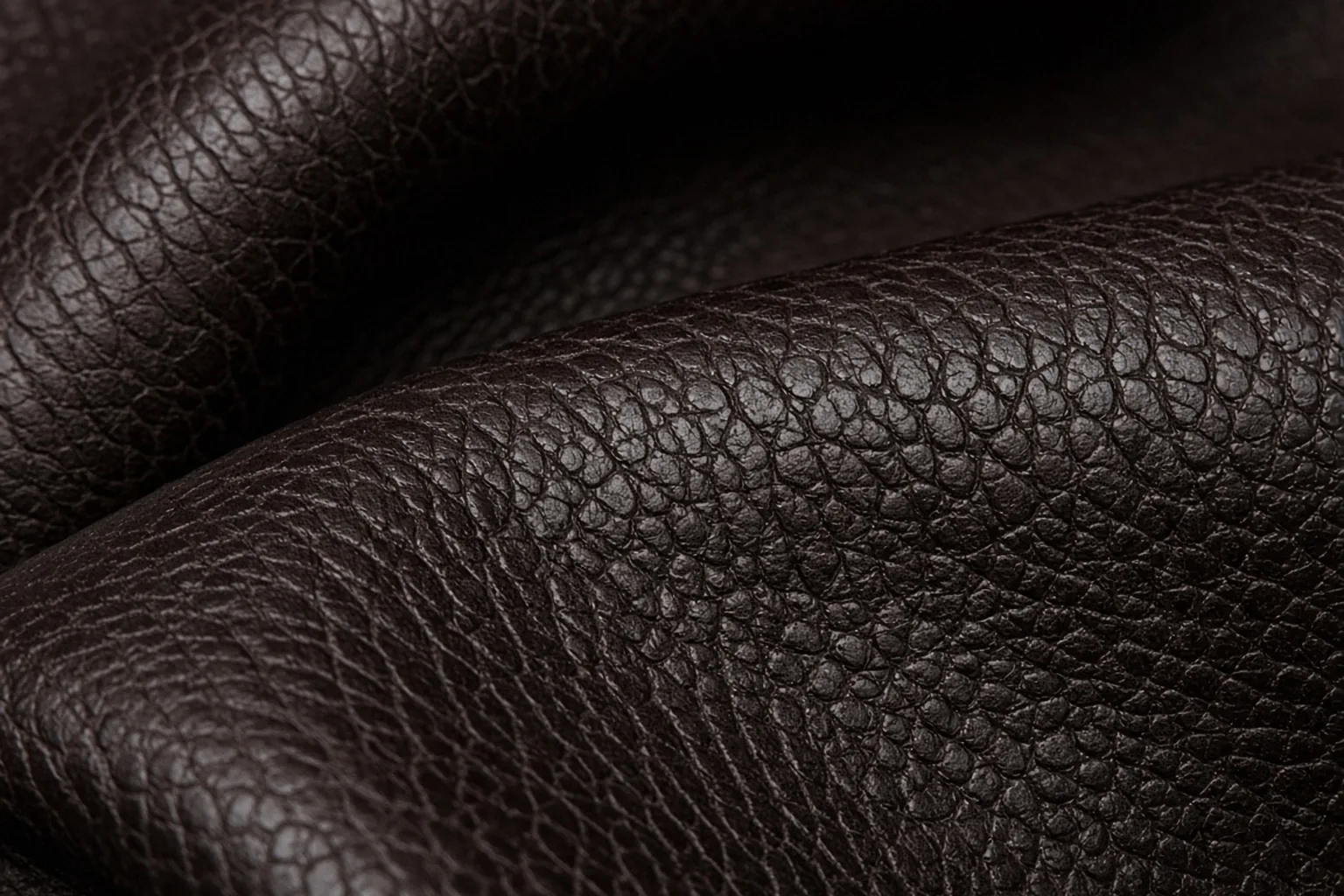
Belts usually fail at the same places: around the buckle holes, along the edges and where the buckle is fixed. Full-grain leather keeps the strongest top layer of the hide, so it resists stretching and cracking far better than corrected-grain or bonded leather. Pair that with solid hardware and properly finished edges and you avoid the complaints that eat into margin. If you want to understand the grades, our guide to full-grain, top-grain and split leather explains the differences.
5. Customers come back for a second colour
Full-grain leather develops a patina as it is worn, and many customers who are happy with one belt buy another in a different colour or width, for example a 35 mm brown for casual wear and a slimmer black belt for formal wear. Offering the same style in two or three colours makes that second purchase easy.
6. A small range is easy to merchandise
You don't need dozens of SKUs. A focused range covers most customers:
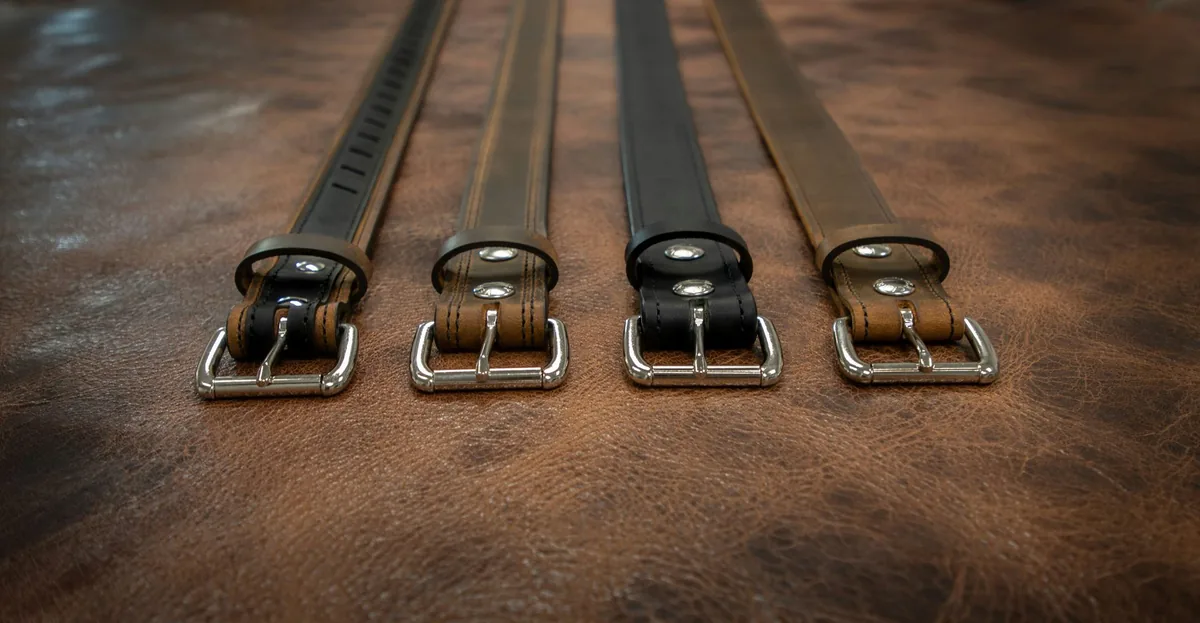
- Casual: a 35–38 mm full-grain belt with a brass roller buckle, like our Classic Bridle Leather Belt.
- Formal: a 32–35 mm dress belt with a clean edge and satin nickel buckle, like our Executive Dress Black Belt.
- Colours: black and dark brown first, then one seasonal shade once the core sells through.
7. Private label builds your own brand
Belts are one of the simplest products to brand. A logo debossed on the keeper or tip, a foil-stamped lining, a custom buckle or branded packaging all turn a standard belt into your house brand, which is harder for shoppers to compare on price elsewhere. Ask your supplier which branding methods are available and request a sample with your logo before approving bulk production.
What to check before you order
Margin only holds if quality is consistent from the sample to the full shipment. Before you commit, check:
- Leather grade: confirm full-grain on the spec sheet and look for natural grain on the sample.
- Thickness: measure a few spots along the strap with a calliper; it should be even.
- Edges: smooth, sealed and burnished, with no fraying or cracked paint.
- Hardware: solid buckles that feel weighty, with no burrs or loose prongs.
- Holes and stitching: clean punched holes and even, tight stitching where used.
Our leather belt quality checklist for retail buyers goes through each of these checks step by step.
Why buying direct from the manufacturer helps
Every middle layer between the tannery and your shelf adds cost and slows down changes. Working directly with a manufacturer gives you clearer pricing, direct answers on materials and the freedom to adjust widths, colours, buckles and branding. It also makes reorders simpler, because you are talking to the people who cut and finish the belts. We cover this in more detail in why retailers buy leather belts direct from the manufacturer.
Working with UT Leather
UT Leather and Allied Products makes full-grain buffalo leather belts in Kanpur, India, for retailers, wholesalers and private-label brands.
| Belt MOQ | 100 pieces per colour / size run |
| Standard widths | 32 mm, 35 mm and 38 mm (custom widths on request) |
| Hardware | Solid brass roller buckles or brushed satin nickel, custom buckles available |
| Branding | Logo deboss, foil stamp, custom buckle and branded packaging |
| Lead time | 30–45 days after sample approval |
| Shipping | Export to the USA, UK, Europe, Australia and other markets |
If you also make footwear, we supply Barton print buffalo leather by the square foot for safety shoes and work boots.
👉 Explore the belt collection
👉 Request wholesale pricing and samples